The Catalan coast has been a contested frontier for three thousand years. Phoenician traders, Roman legions, Moorish raiders, Aragonese admirals, and Napoleonic armies have all left their marks on the same shoreline. This trail follows the coastal fortifications from the Ebro Delta to the Costa Brava, tracing how each successive power tried to control the sea.
La Zuda — Moorish Tortosa
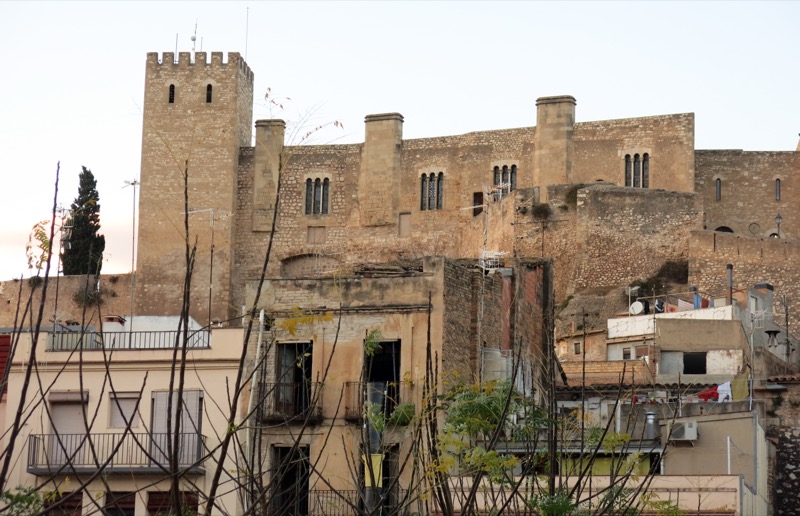
The trail begins inland at Tortosa, where La Zuda castle crowns the hill above the old city. This was the seat of Moorish power in the lower Ebro valley until its conquest in 1148, and the architectural layers — Islamic, Romanesque, Gothic — read like a compressed history of the Reconquista.
Tamarit — Where the Sea Begins
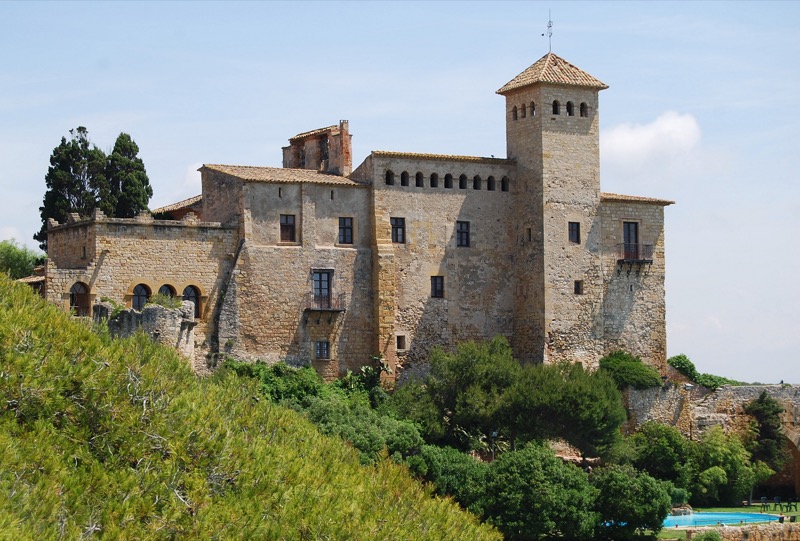
Tamarit stands on a limestone promontory where the Ebro plain gives way to the Costa Daurada. The castle’s twelfth-century church is in better condition than the keep, and the view from the walls across the bay to Tarragona is one of the finest on the Catalan coast.
Calafell — The Sea Castle
Further north, Calafell’s reconstructed castle sits above the town on a ridge that drops to the beach. The reconstruction is controversial among purists but effective at conveying the strategic logic of a coastal lookout: from here, approaching ships were visible thirty minutes before they reached shore.
Burriac — The Forgotten Citadel
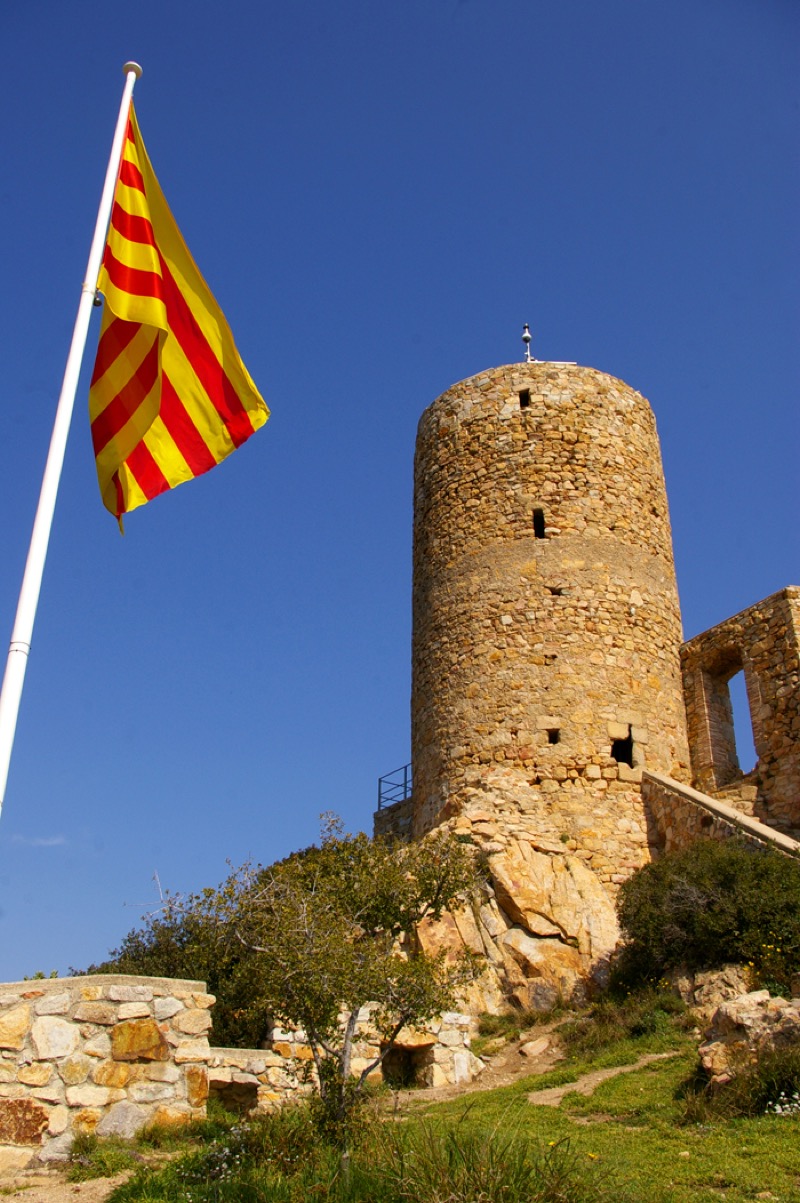
Above Cabrera de Mar, Burriac is one of the most substantial castle ruins in the Maresme region, yet few visitors from Barcelona make the short journey to see it. The circuit of walls and twin towers date to the fourteenth century; the panorama over the coast is exceptional.
Tossa de Mar — Where the Trail Ends
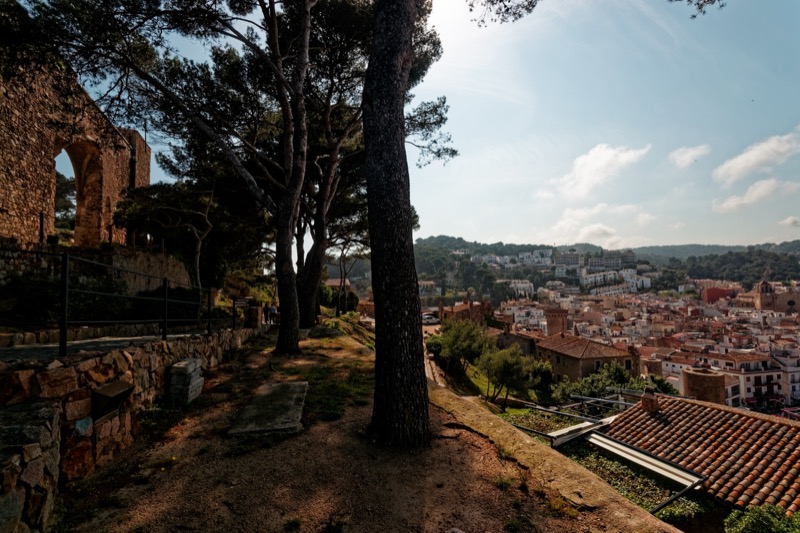
The trail ends at Tossa de Mar, where the only intact medieval town wall on the Costa Brava still stands. The Vila Vella — old town — sits inside its twelfth-century walls on a headland above the sea: a complete medieval townscape that somehow survived the twentieth century intact.